

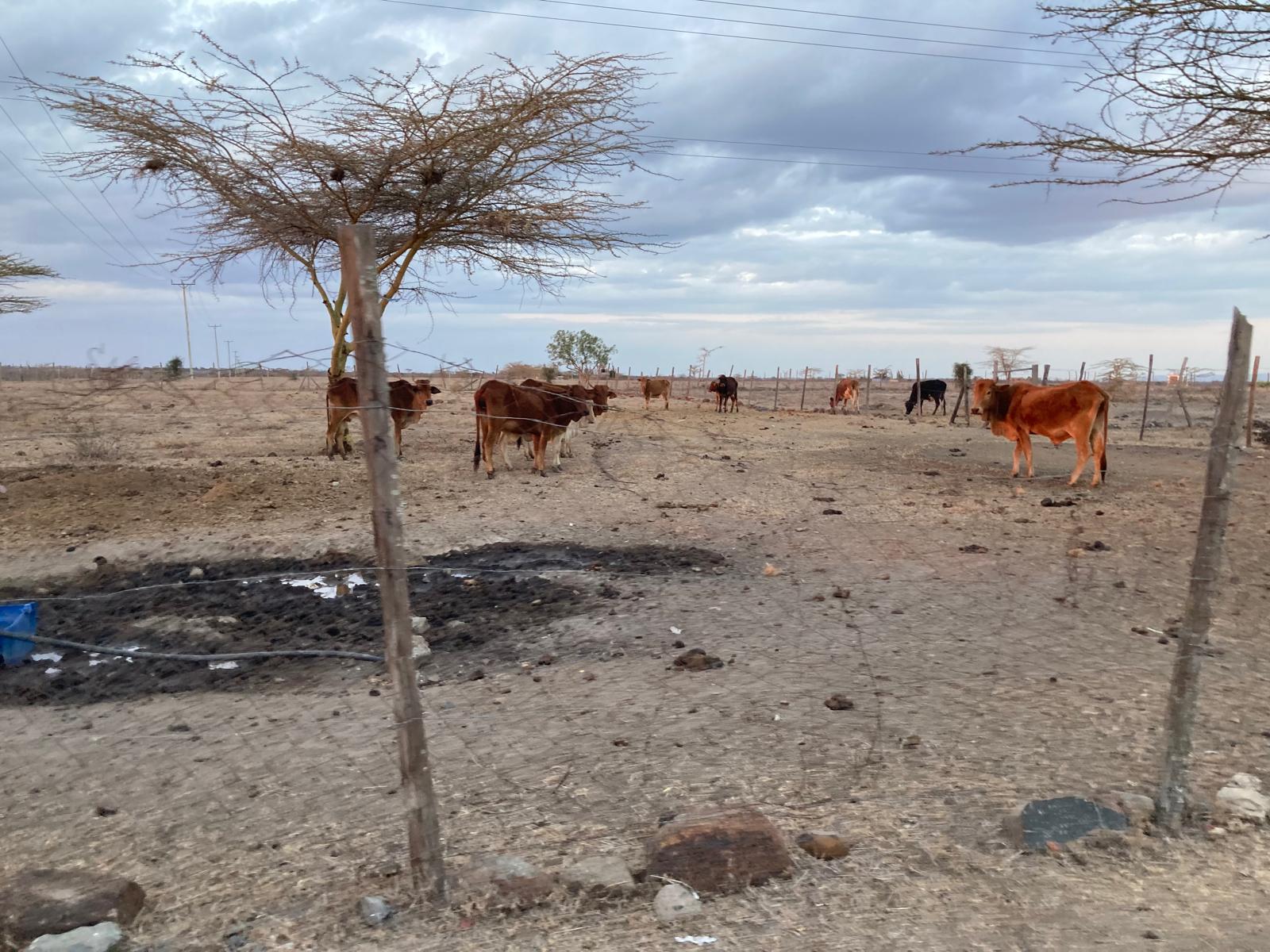
CHANGING THE MAASAI TRADITION TO SUIT THE NEW CLIMATE OF ISINYA LOCATION
Change of
climate conditions in Kajiado County in Kenya’s Rift Valley Province, local
community at Isinya Location has been forced to abandon the usual Maasai
pastoralist lifestyle of keeping herds of cattle and goats in search for
alternative adaptable livelihoods.
The
County’s vast fields earlier used for grazing have since been converted into
human settlements and flower farm plantations.
The much-touted
Konza Techno City that partly sits on Kajiado land, the evolution of Kitengela
Township in the County, and shrinking land for settlement in Nairobi (which say
“Kajiado is the bedroom of Nairobi”) has attracted investors who are all eyeing
Kajiado’s traditional grazing land for development. This has had a direct
impact on residents whose lifelines are based on livestock keeping.
With the
changing climatic conditions that in many cases are characterized by prolonged
droughts, the residents have no choice but to seek alternative lifestyles.
The Maasai of Isinya farmers have decided to reduce their cattle and diversify into organic crop farming with the help of Dr. Anita’s “Chakula kwa Sisi – food for us” Project.
Rev. Joshua
Kikayaya, a local pastor to the community and Coordinator of the Project says, “I
vividly remember the year 2005 where many
farmers lost herds of 1,000 cattle
and 3,000 goats to drought and followed by
another greater drought of the year 2014 to 2023 which also
killed almost everything, both livestock and vegetation.”
That is one
of the major reasons Isinya Maasai farmers had to reduce their animal stocks
from thousands to slightly above 10. They have had to diversify to crop farming
which had never been part of the Maasai community.
“Today,
Maasai man eats vegetables, maize, beans, and all kinds of fruits. It was not
part of our culture to till the land for other sources of foodstuff, sell them
for money to earn a living and also pay school fees for our children.”
Climate is
changing very fast and as a result, life is changing too. The only way to
survive is by changing our lifestyles, our diets, and the way we look at
things. That is exactly what Maasai at Isinya are doing to adapt to climate
change by applying Agricultural Techniques as advised by Dr. Anita Handa.
Despite the
baking heat from the sun in Kajiado, Maasai of Isinya farmers plant different
types of trees that are important for repairing the damage caused by climate change.
For example, Moringa trees, Avocado trees, Orange trees, Banana trees, Guava
trees, and other indigenous trees. This is a lesson learned from climate change
expert Dr. Anita Handa. According to experts, trees have the ability to
sequester Carbon Dioxide.
Thirty (30) pastoralists who have converted
into conventional farmers say they have learned many lessons from Dr. Anita
Handa. Agricultural extension, e.g. practicing irrigated horticulture,
composting, soil covering, mixed cropping, and planting of fruit trees in
between crops - and above all, water harvesting.
30 Farmers have turned a quarter, a half, or even an acre of land into an income generating piece where he/she grow onions, kales, spinach, cabbages among other vegetables using drip irrigation and organic techniques. With the tough climatic conditions and the shrinking grazing land, the Maasai are deemed to suffer if they cannot diversify, a practice that has never been a part of the traditional Maasai community.
“Chakula kwa Sisi – Food for us” Project directed by Dr. Anita Handa was meant to build the capacities of smallholder farmers and enable them to fight climate change and food insecurity in the community.
Below is the list of 30 pastoralist farmers who are beneficiaries of Dr. Anita Handa’s project. (Irrigated Area).
|
No |
Name |
Acres |
Crops Growing |
Sales Per Month |
|
1. |
Rev.
Joshua Kikayaya |
1 |
Vegetables,
Fruit Trees, Onions, Bananas |
2,000 |
|
2. |
Scrivin
Kikayaya |
½ |
Kales,
Spinach, Onions, Fruit Trees |
1,200 |
|
3. |
James
Turere |
½ |
Beans,
Sweet Potatoes, Bananas, Fruit Trees |
1,000 |
|
4. |
Jonathan
Lekuria |
½ |
Maize,
Beans, Kales, Fruit Trees |
1,000 |
|
5. |
Lenox
Lakati |
½ |
Bananas,
Fruit Trees, Kales, Spinach |
1,000 |
|
6. |
Joseph
Tuari |
1 |
Beans,
Maize, Vegetables, Fruit Trees |
1,500 |
|
7. |
Jackson
Sironka |
1 |
Maize,
Beans, Fruit Trees, Vegetables |
2,000 |
|
8. |
Levy
Simintei |
½ |
Maize,
Beans Cowpeas, Fruits, Vegetables |
1,500 |
|
9. |
Doris
Suai |
½ |
Fruit
Trees, Spinach, Kales, Maize, Beans |
1,200 |
|
10. |
David
Kiparki |
½ |
Fruits,
Beans, Maize, Onions |
1,000 |
|
11. |
Josphine
Kiparki |
½ |
Maize,
Beans, Fruit Trees |
1,000 |
|
12. |
Jackson
Salum |
½ |
Beans,
Maize, Fruit Trees, Cowpeas |
1,500 |
|
13. |
Jacyline
Kiparki |
½ |
Beans,
Maize, Fruit Trees, Vegetables |
1,000 |
|
14. |
Emmanuel
Moi |
1 |
Bananas,
Pawpaw, Fruit Trees, Vegetables |
2,000 |
|
15. |
Charity
Maina |
½ |
Fruit
Trees, Bananas, Vegetables, Maize |
1,500 |
|
16. |
Dickson
Maina |
½ |
Fruits,
Sweet Potatoes, Bananas, Vegetable |
1,500 |
|
17. |
Jeremiah
Kiparki |
½ |
Fruit
Trees, Maize, Beans, Cowpeas |
1,200 |
|
18. |
Edward
Silei |
1 |
Beans,
Maize, Fruits, English Potatoes |
2,000 |
|
19. |
Solomon
Napiya |
½ |
Butternuts,
Maize, Beans, Cowpeas |
2,500 |
|
20. |
Moses
Seet |
½ |
Vegetables,
Maize, Beans, Fruits, Beans, Onions |
2,000 |
|
21. |
Ken
Meely |
½ |
Maize,
Beans, Fruit Trees |
1,000 |
|
22. |
Benjamin
Ntooki |
½ |
Maize,
Beans, Bananas, Vegetables |
1,000 |
|
23. |
Joshua
Mwanda |
½ |
Vegetables,
Fruits, Bananas, Maize, Beans |
1,500 |
|
24. |
James
Ntele |
1 |
Vegetables,
Fruit Trees, Maize, Beans |
2,000 |
|
25. |
Solomon
Mapena |
1 |
Vegetables.
Beans, Maize, Fruits |
2,000 |
|
26. |
Kasae
Mapena |
1 |
Onions,
Bananas, Fruits, Maize, Beans |
2,000 |
|
27. |
Stephen
Lila |
½ |
Beans,
Maize, Fruits |
1,000 |
|
28 |
Samuel
Lemein |
½ |
Beans,
Maize, Vegetables, Potatoes |
1,000 |
|
29. |
Rebecca
Sironka |
2 |
Beans,
Maize, Fruit Trees, Vegetables |
10,000
|
|
30. |
Lemaron
Sironka |
3 |
Beans,
Maize, Fruit, Vegetables, French Beans
|
20,000
|
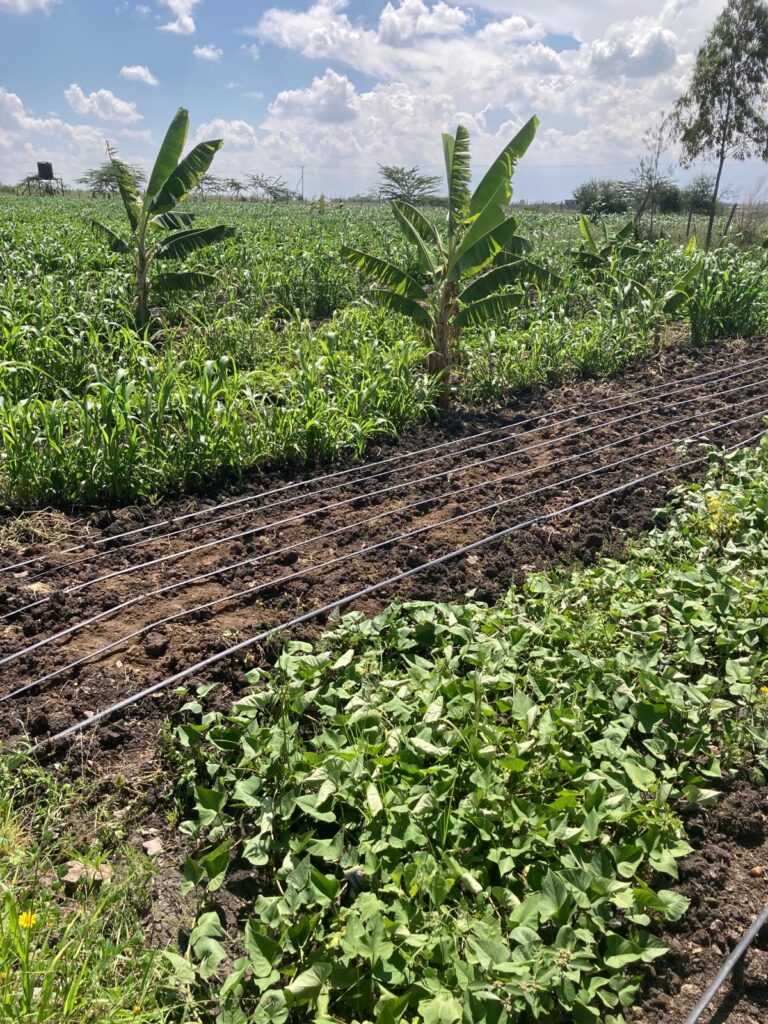
During the
normal season, the above-named farmers grow beans, green grams, cowpeas, maize,
fruits (pawpaw, mangoes, oranges) and other nonfruit trees such as Moringa, at
one to three acres of land. Most of the farmers are expecting a good harvest by
the end of February 2024.
Water
harvesting techniques, soil moisture conservation, keeping of small animals
that consume less and drink less water, planting of crops that mature fast
enough to escape the drought period and practicing organic farming are lessons
learned from Dr. Anita Handa.
May the
Lord bless you, long life (Chakula kwa Sisi)!